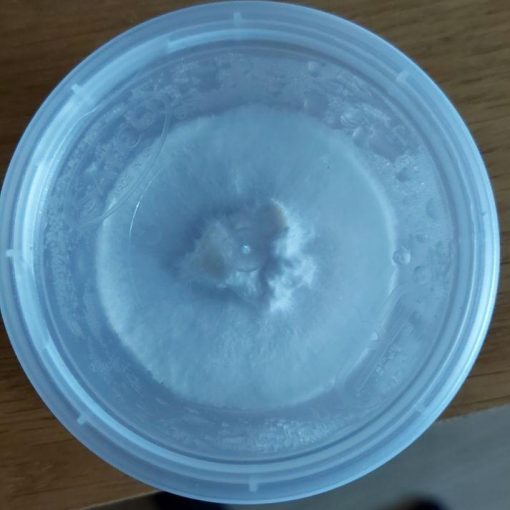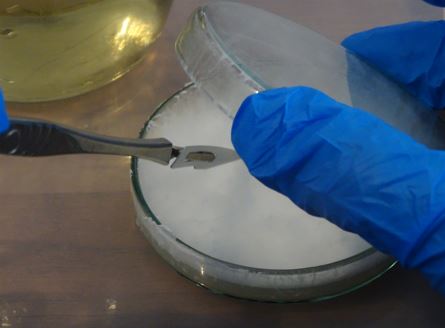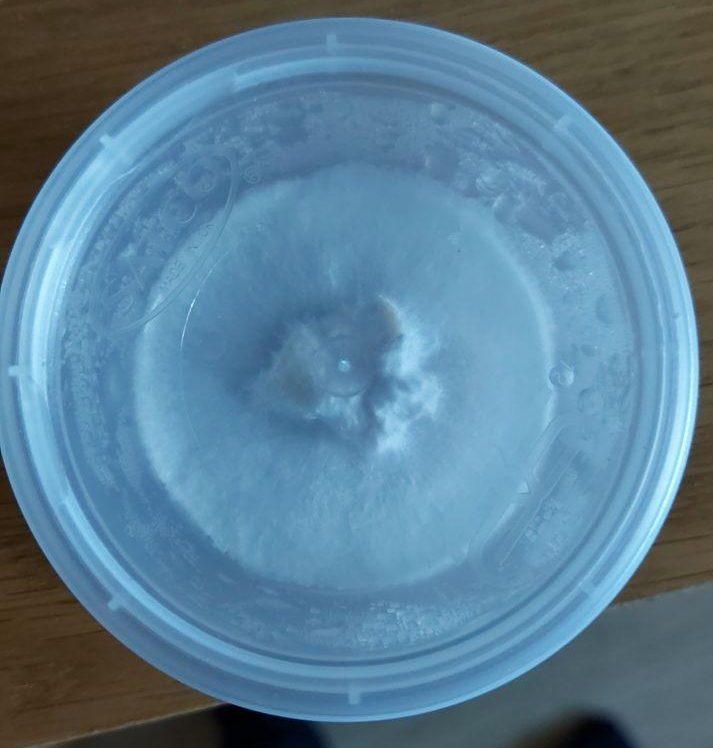
Potato Dextrose Agar (PDA) is a common medium for culturing many mushroom species and fungi. It is especially good for germinating mushroom spores. Below is the recipe to create potato dextrose agar.
What is Potato Dextrose Agar?
PDA is a nutrient-rich gel that mycelium grows across on a Petri dish.
The potato broth provides a broad spectrum of nutrients and minerals. The dextrose — a simple sugar — gives the mycelium an easily digestible energy source. The agar powder is what sets the whole thing into a firm gel once it cools.
It’s one of the most widely used culture media in both hobby and commercial mushroom cultivation, and it works well for a broad range of species including oyster mushrooms, lion’s mane, shiitake and most wild fungi you might want to work with.
PDA Recipe (1 Liter)
PDA medium calculator
For mushroom mycelium cultures
Hard agar (20 g/L) gives firm plates ideal for cutting and transferring mycelium. Sterilise at 15 psi for 15–20 min, then pour at 45–50°C into sterile Petri dishes.
Ingredients
- 200 g potatoes (peeled and diced)
- 20 g dextrose (glucose)
- 15–20 g agar powder
- Distilled water to make 1 liter
Instructions
- Boil the potatoes in about 500 mL of water for 30 minutes.
- Strain out the potato solids, keeping the potato broth.
- Add the dextrose and agar to the broth and stir until dissolved.
- Add distilled water to bring the total volume to 1 liter.
- Adjust pH to around 5.6 if desired (often not necessary for hobby cultivation).
- Dispense into bottles or flasks.
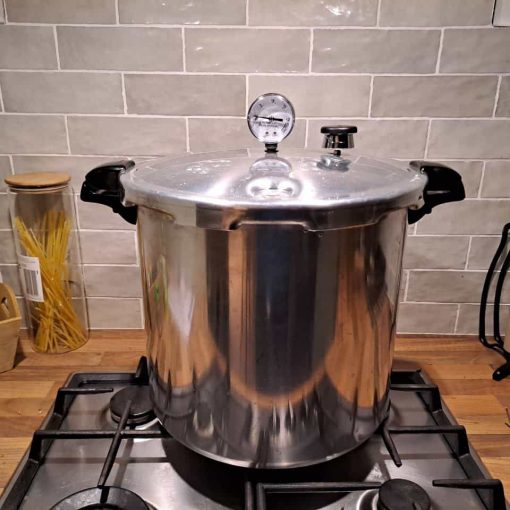
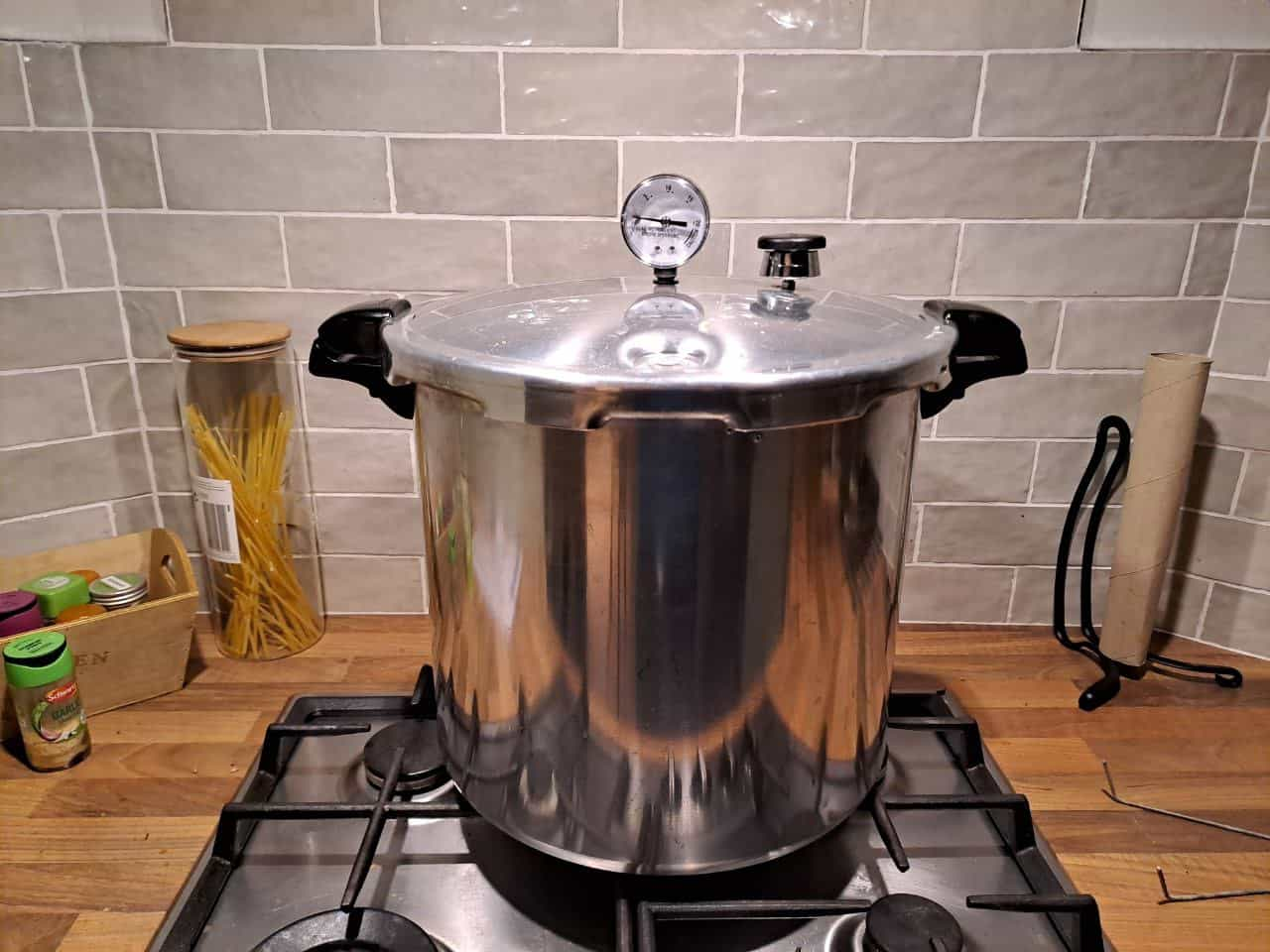
- Sterilize in a pressure cooker/autoclave at 121°C (15 psi) for 15–20 minutes.
- Cool to about 45–50°C and pour into sterile Petri dishes.
Equipment:
- Saucepan
- Fine strainer or cheesecloth
- Heat-resistant glass bottles or Erlenmeyer flasks
- Pressure cooker
- Sterile Petri dishes
- Still air box or flow hood for pouring
- Gloves and a mask
Smaller Batch (500 mL)
- 100 g potatoes
- 10 g dextrose
- 7.5–10 g agar
- Water to 500 mL
Notes
- Some recipes call for 15 g per litre, which produces a softer gel. Going with 20 g per litre gives you a firmer plate that’s easier to work with, especially when you’re transferring cultures. Stick with 20 g unless you have a specific reason to go softer (such as spore germination).
- PDA works well for species such as oyster mushrooms, lion’s mane, shiitake, and many wild fungi.
- To reduce bacterial contamination, some cultivators add antibiotics after sterilization and cooling, though this is optional and generally unnecessary for routine mushroom culture work.
A simpler version used by many hobby growers is:
- 200 g potatoes
- 20 g dextrose
- 20 g agar
- Water to 1 L
This produces a firm, nutrient-rich PDA suitable for most mushroom mycelium cultures.
What to Do If You’re Not Using the Plates Immediately
Freshly poured plates can be stored in the fridge for several weeks.
Stack them upside down — lid facing down — to prevent condensation dripping onto the agar surface. Seal the stack in a plastic bag to keep them from drying out.
Label each batch with the date so you know how old your plates are when you come to use them.
What Species Works Well on PDA?
PDA is a reliable all-rounder. It works well for oyster mushrooms, lion’s mane, shiitake, maitake and most wild species you’re likely to be working with.
It’s not the only agar formula out there — MEA (Malt Extract Agar) and MYPA (Malt Yeast Peptone Agar) each have their fans — but PDA is the best starting point. It’s cheap, easy to make from scratch, and the results speak for themselves.